


AI (Artificial Intelligence), High-trust leadership
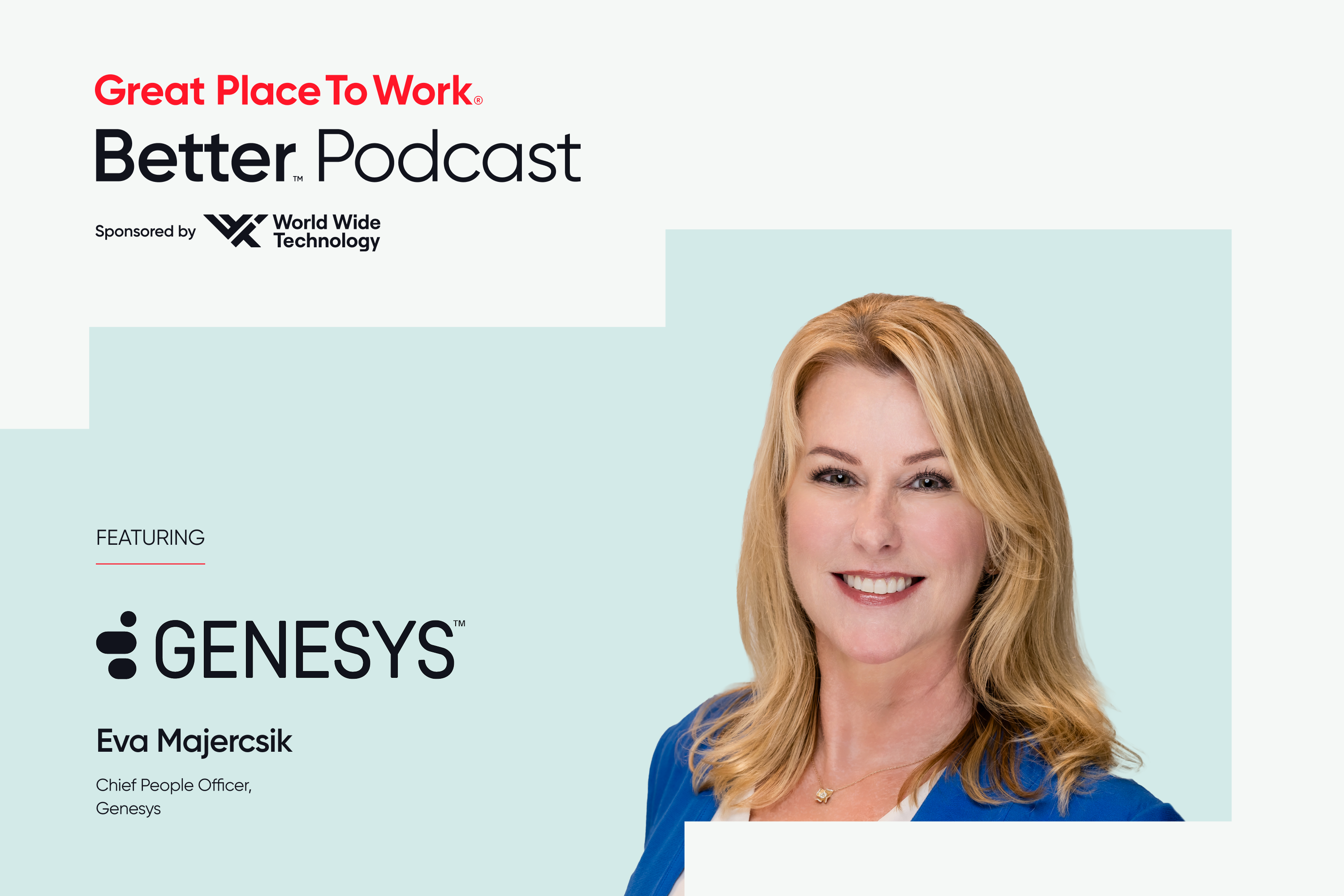
Eva Majercsik believes empathy is often misunderstood. In this episode of the Better podcast, the chief people officer at Genesys explains why empathy isn't about being nice. It's about listening to understand, creating better experiences for employees and customers, and making better business decisions.
She shares how Genesys has operationalized empathy across the company, why culture plays a critical role in AI adoption, and why the future of work will require human skills like curiosity, adaptability, and active listening more than ever.
Key takeaways
1. Empathy is a business strategy, not a soft skill.
Majercsik argues that empathy is often misunderstood. It isn't about being nice all the time. It's about listening, understanding another person's perspective, and using that understanding to build stronger relationships with employees and customers.
2. You can't train someone to be empathetic, but you can give them the tools.
Genesys reinforces empathy through active listening, manager development, radical candor, and regular feedback. The goal is helping leaders listen to understand rather than listen to respond, making empathy a daily practice instead of an aspiration.
3. AI succeeds or fails because of culture.
While organizations often focus on efficiency gains, Majercsik believes the bigger challenge is preparing people for change. People need room to experiment, make mistakes, and discover new ways of working. Without trust and a culture that supports innovation, even the best AI tools can fall short.
4. Human skills will become more valuable as AI advances.
As AI automates routine work, skills like curiosity, adaptability, critical thinking, communication, and listening become increasingly important. .
5. HR and IT must work together to drive AI adoption.
At Genesys, AI isn't left to one department. Technology teams, people leaders, and business leaders work together to help employees build the skills and confidence needed to use AI effectively.
Transform Your Workplace with Culture Insights from Top Experts.
Subscribe to our podcast and discover how to create a culture that attracts and retains top talent.