


High-trust leadership, Leadership & Management
Here's what experts shared as the top skill for leaders this year.
The rise of AI is changing what skills have the most value at work.
For leaders, the skills that experts put at the top of their list focus on “soft skills.” In practice, there’s nothing soft about these traits and behaviors.
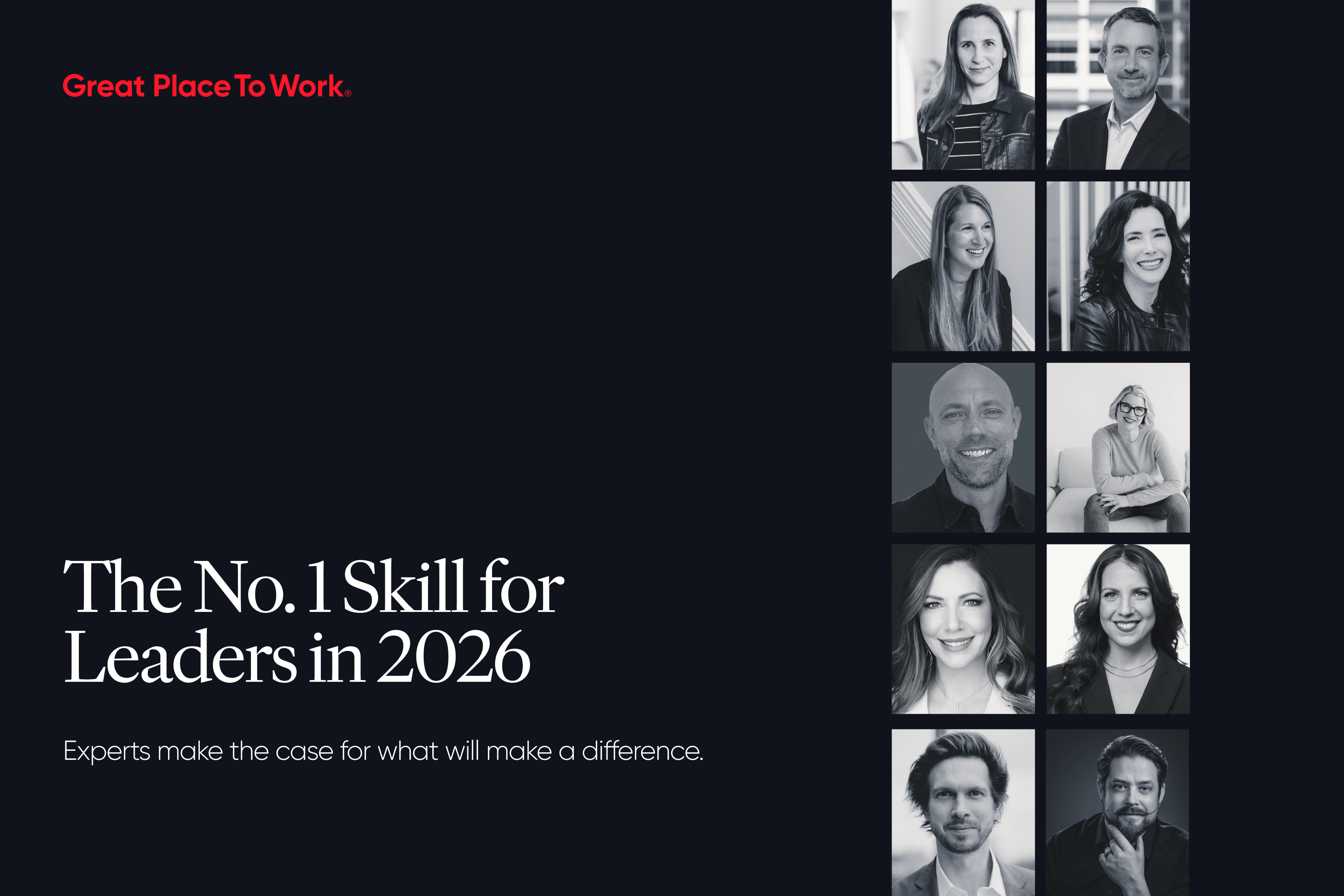
We asked workplace and leadership experts to give us their “Skill of the Year” for 2026. Here’s what they said:
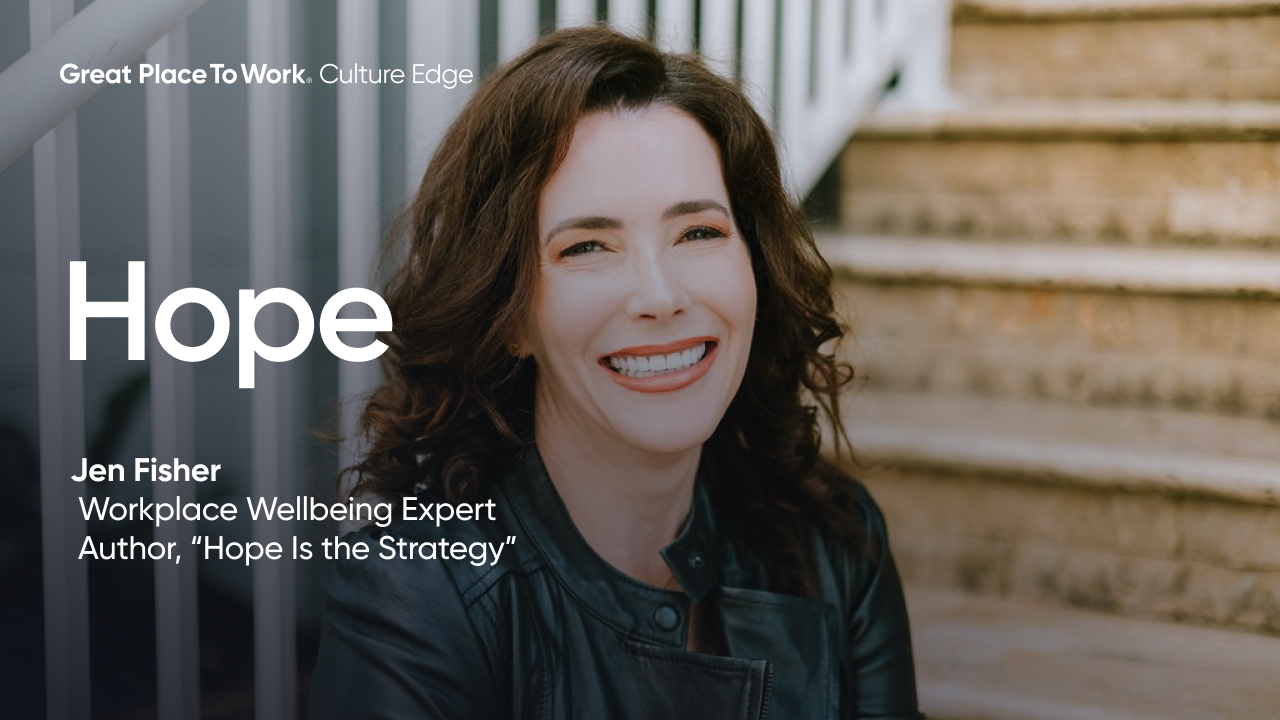
“The leadership skill of 2026 is hope,” says Jen Fisher, former chief well-being officer at Deloitte and author of the new book “Hope Is the Strategy.”
“Here’s what hope actually looks like as a skill: three things working together — a goal worth believing in, the ability to see more than one path to get there, and the conviction that your actions actually matter.”
Researchers have shown that when all three are present, people perform better, collaborate more, and are more resilient. When any one of them is missing? “Hope collapses.”
“Right now, workplaces are quietly breaking all three — depleted leaders struggle to inspire meaningful goals, fear-based cultures narrow thinking to a single safe path, and chronic burnout erodes any sense of agency,” Fisher says. “The result? Teams that are talented but disengaged, organizations that are capable but stuck.”
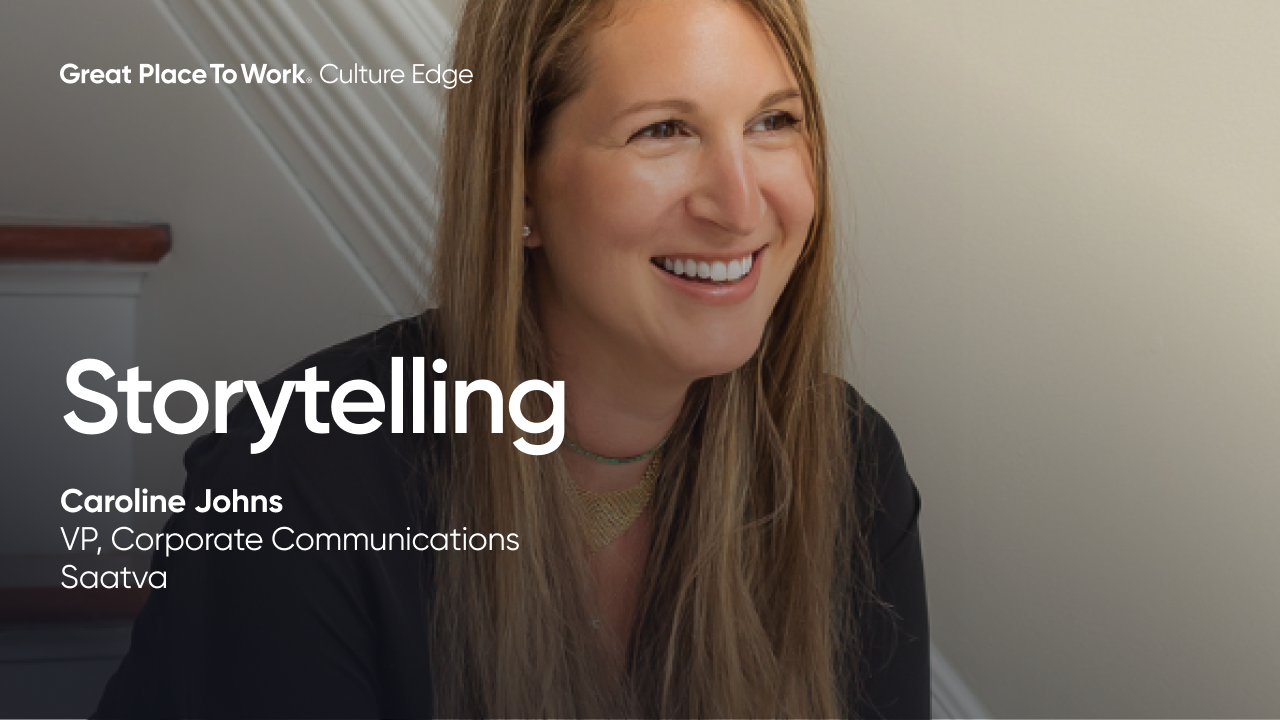
“Major business decisions, from capital investments to growth bets, are shaped by the story behind them,” says Caroline Johns , VP of corporate communications at Saatva. “Markets move on confidence, employees commit when they understand the ‘why,’ and context is what allows strategy to land.”
That’s why her skill of the year is storytelling.
“In many ways, our economy runs on storytelling,” she says. “Leaders who can build and reinforce a strong narrative will create clarity amid uncertainty, align stakeholders around shared intent, and give people something steady to follow when everything else is in motion.”
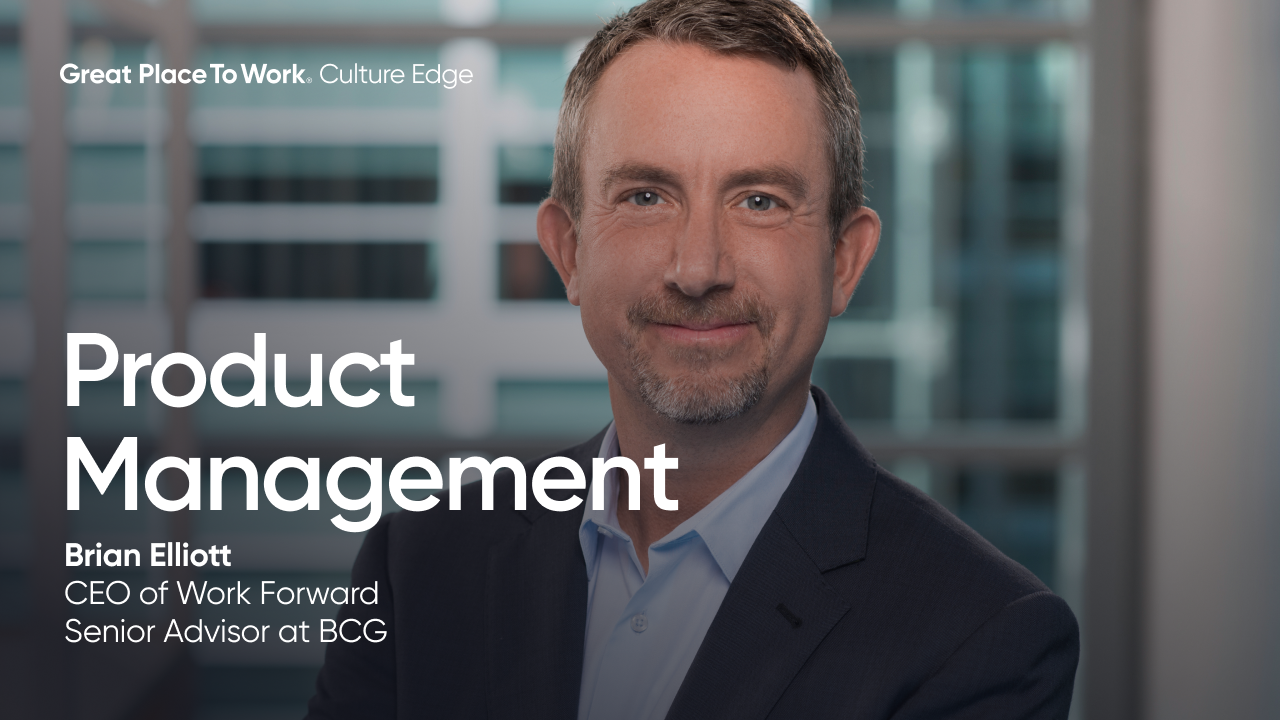
When redesigning work to take advantage of AI, leaders need a mindset shift, says Brian Elliott, CEO of Work Forward.
“It requires leaders who think about work as a product and employees as customers, not widgets to be displaced,” he explains. “Many AI initiatives fail because leaders announce efficiency targets without understanding the actual friction: what tasks create toil, where teams get stuck, and what problems genuinely need solving.”
Why does the mindset of a product manager help?
“Great product managers invest in understanding their customers' needs through research, mapping how they actually use products step by step,” Elliott says. “The same approach works with employees. BCG research shows people-centric organizations are seven times more likely to achieve AI maturity. Companies like Zapier judge AI success not just on efficiency gains but on work quality improvements and whether employees feel more engaged and energized by their work.”
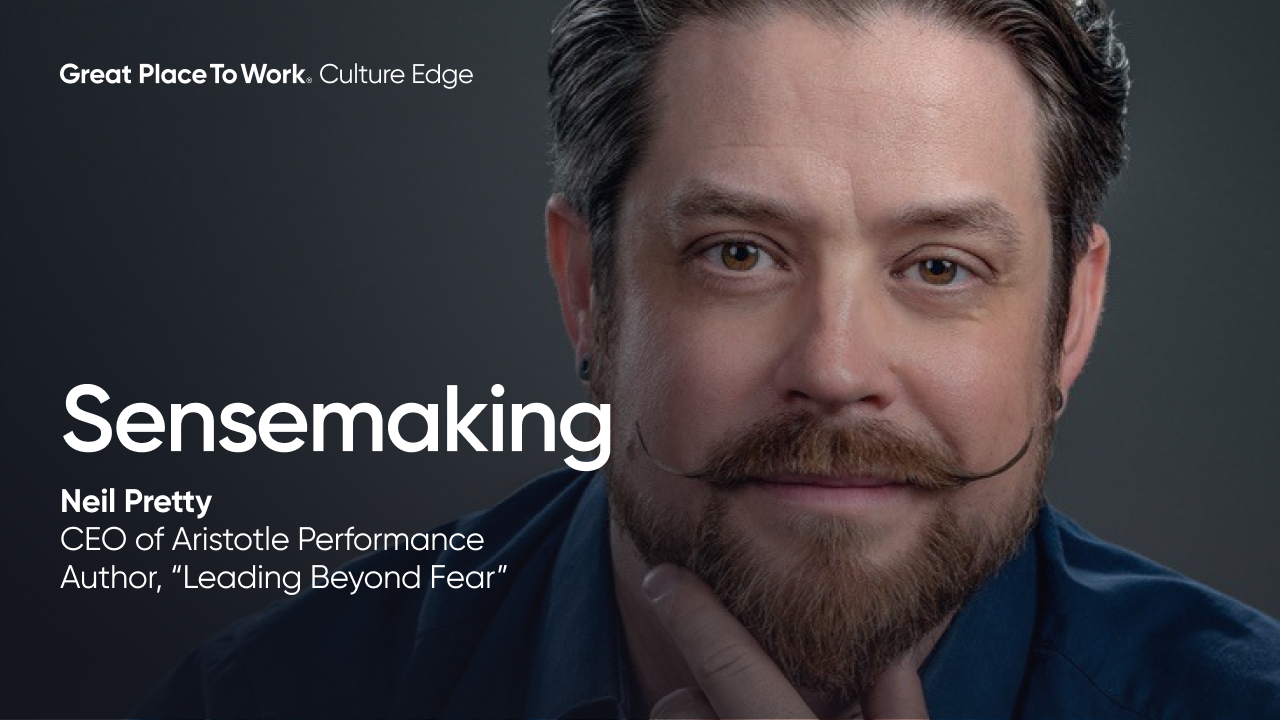
Sensemaking is crucial in 2026 because it “sits at the intersection of AI, decision-making, and organizational adaptability,” says Neil Pretty, author of “Leading Beyond Fear.”
“As AI rapidly increases the volume of information and proposed solutions, the primary challenge is no longer access to answers, it is the ability to determine which problem is worth solving,” he explains. “Sensemaking is the skill that helps bridge that gap by making meaning in an environment of complexity, change and distraction.”
This ability to discern signal from noise is invaluable as AI unlocks more possibilities.
“Doing more is not more effective,” Pretty warns. “Without sensemaking, leaders risk performance by missing deeper systemic drivers and opportunities to adapt. AI amplifies this risk by generating endless options, increasing ambiguity and often clouding decision-making.”
The result? Misalignment and waste.
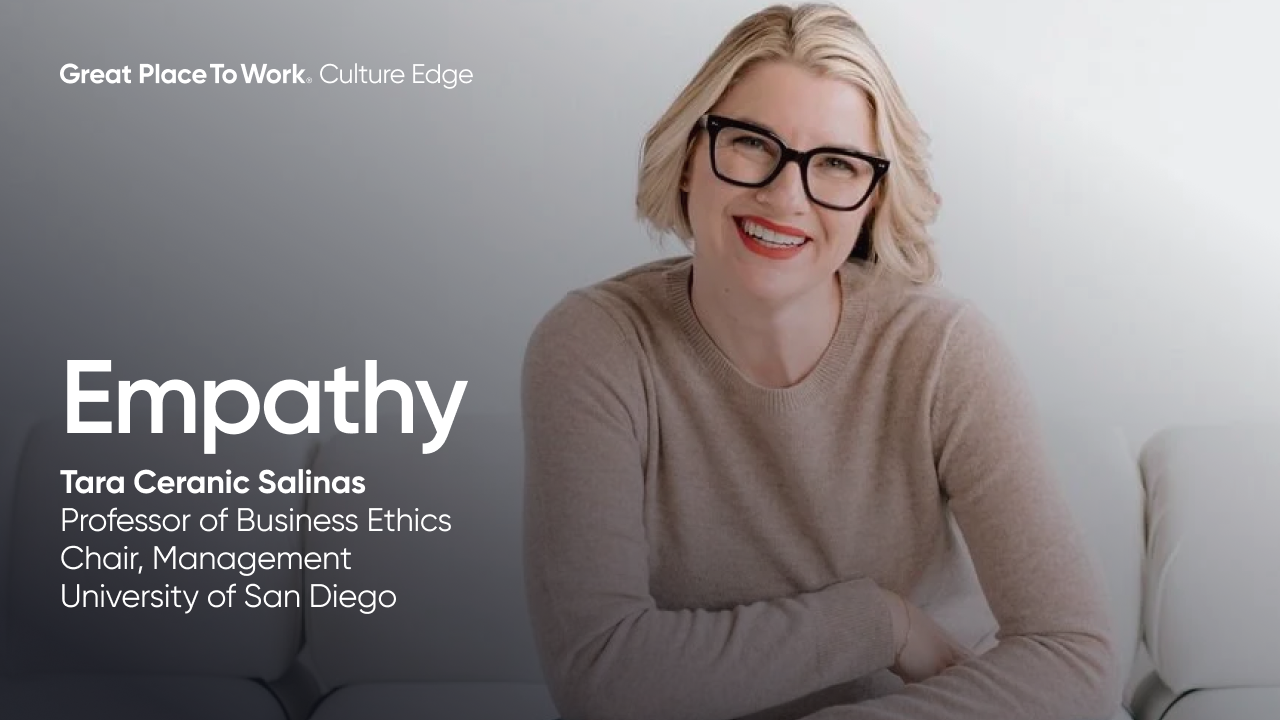
“AI may be the headline capability of the year, but empathy is the leadership skill that will determine who succeeds,” says Tara Ceranic Salinas, PhD, professor of business ethics and management chair at the Knauss School of Business, University of San Diego.
AI can’t replace empathy.
“AI can predict what empathy looks like on paper: listening, perspective-taking, and thoughtful responses that build trust,” Salinas says. “But that’s not the same as practicing empathy in real life where leaders must navigate complexity, conflict, ambiguity, failure, and deeply different perspectives.”
A lack of empathy will harm decision-making, she warns. “Without empathy, leaders misread their teams, miss opportunities, and make decisions that look smart but fail people,” she says. “Technical knowledge, often accelerated by AI, can open doors, but empathy is what keeps organizations standing once they’re inside.”
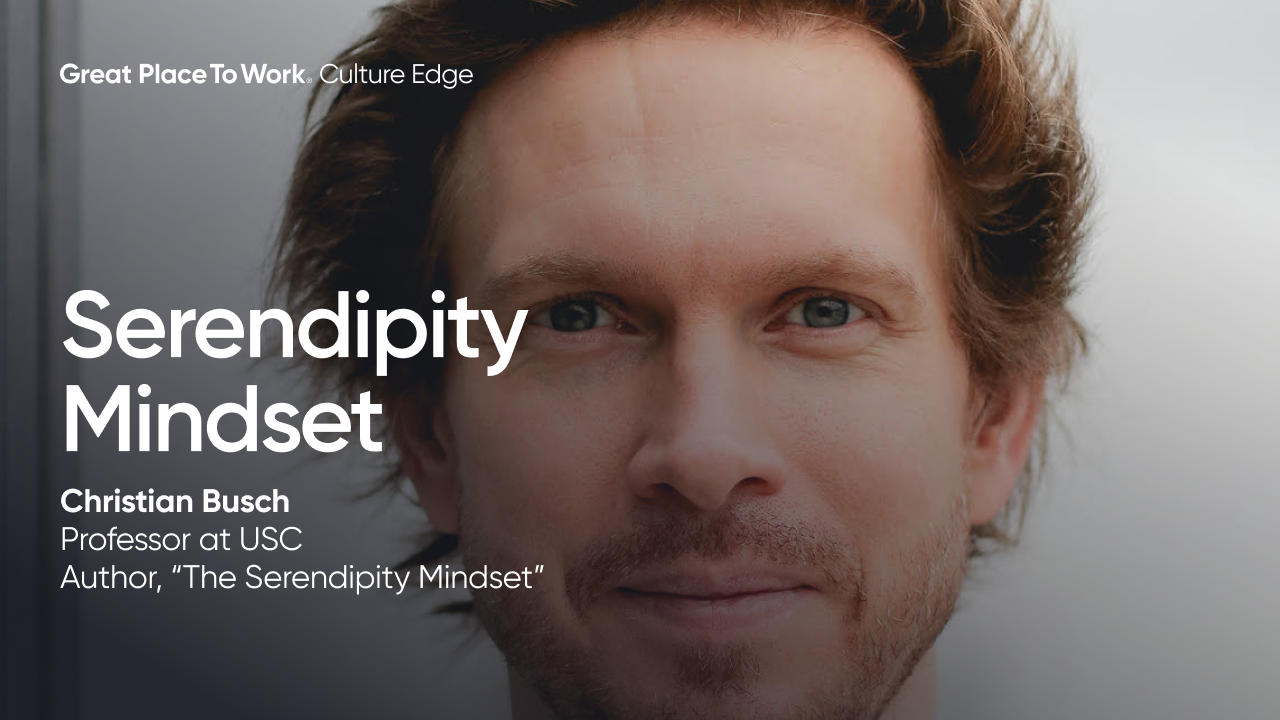
For Christian Busch, professor at the USC Marshall School of Business and author of the book “The Serendipity Mindset,” the skill of the year in 2026 is synonymous with his writing.
“For years, leadership has focused on planning, efficiency, and optimization, but much of what really shapes outcomes today does not come from plans but from unplanned moments,” he explains. Whether a chance encounter, a surprising connection, or an unexpected breakdown, leaders must be ready to capture these moments of opportunity.
“This is where a serendipity mindset comes in,” Busch says. “Serendipity is not mere blind luck; it is about noticing unexpected events, connect them to what matters, and act on them.”
In the AI era, being open to possibility is a key attribute for adapting to rapid change.
“AI will amplify both opportunity and fragility,” Busch says. “The leaders who thrive will not be those who predict best, but those who are most capable of responding when the unexpected shows up. It's about moving from certainty — and an illusion of control — to clarity, combining having a north star with an openness to the unexpected.”
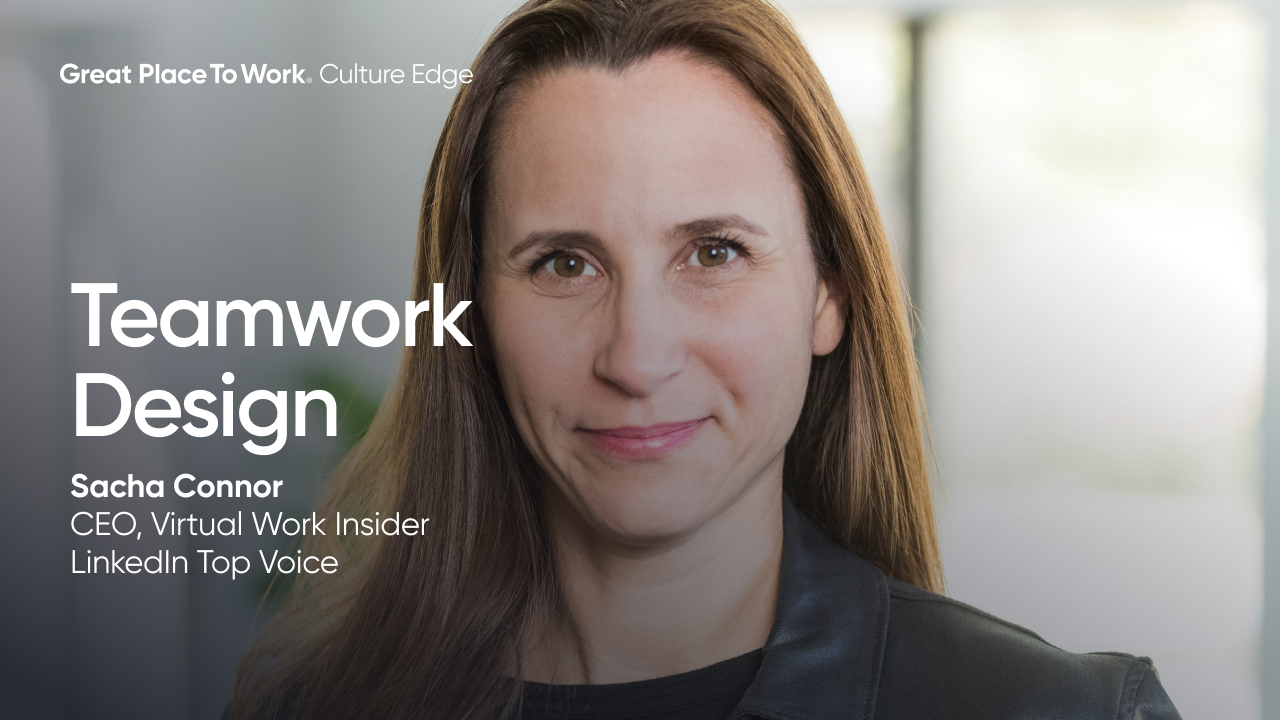
“In 2026, a critical leadership skill is the ability to intentionally design how teamwork happens, especially as teams operate across locations, hybrid schedules, time zones, and functions,” says Sacha Connor, CEO of Virtual Work Insider and a “Top Voice” on LinkedIn sharing expertise on virtual work strategies.
While researchers like Nick Bloom are dropping the word “hybrid,” the leadership challenges for distributed teams remain.
“In complex, cross-functional environments, clarity and coordination must be designed,” Connor says. “Leaders need to establish ‘team working agreements’ that define shared goals, clarify roles, and make decision-making explicit — reducing friction before it slows progress.”
AI adds complexity to these decisions. Connor recommends asking, “What is the role of AI on our team?”
A well-designed team will embed the technology into workflows to provide shared context for decisions, break down silos, and strengthen group collaboration. “If AI lives only at the individual level, impact remains fragmented,” Connor warns. “Designing teamwork now requires intentionally designing how distributed teams of humans and AI collaborate.”
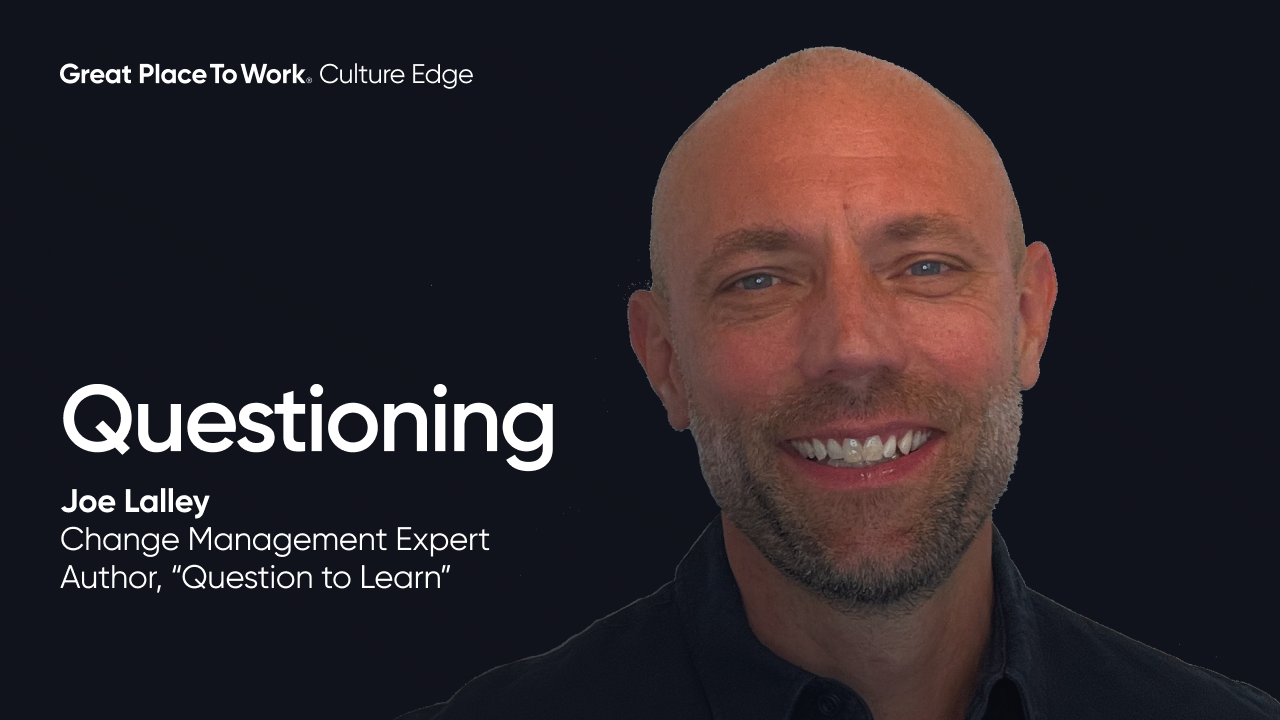
Learning to ask better questions is the focus of the new book "Question to Learn" by Joe Lalley, change management expert. His advice? “Practice asking questions in lower stakes situations.”
Developing your ability to go deeper and find your curiosity is easier when talking to a friend about their favorite restaurant than when talking to your boss. “Tone is so important,” Lalley says. Practicing your tone regularly can build confidence and lead to better outcomes when the stakes are higher.
Lalley also has some favorite questions he recommends for digging in: His favorite: “How did you come to feel that way?’”
He gives the example of asking an employee about their experience in the workplace. “Instead of just hearing what they said (‘My experience has been really positive’), you get the story behind it and you can kind of scaffold your way through that where you can ask a follow-up question that is based on what they just said.”
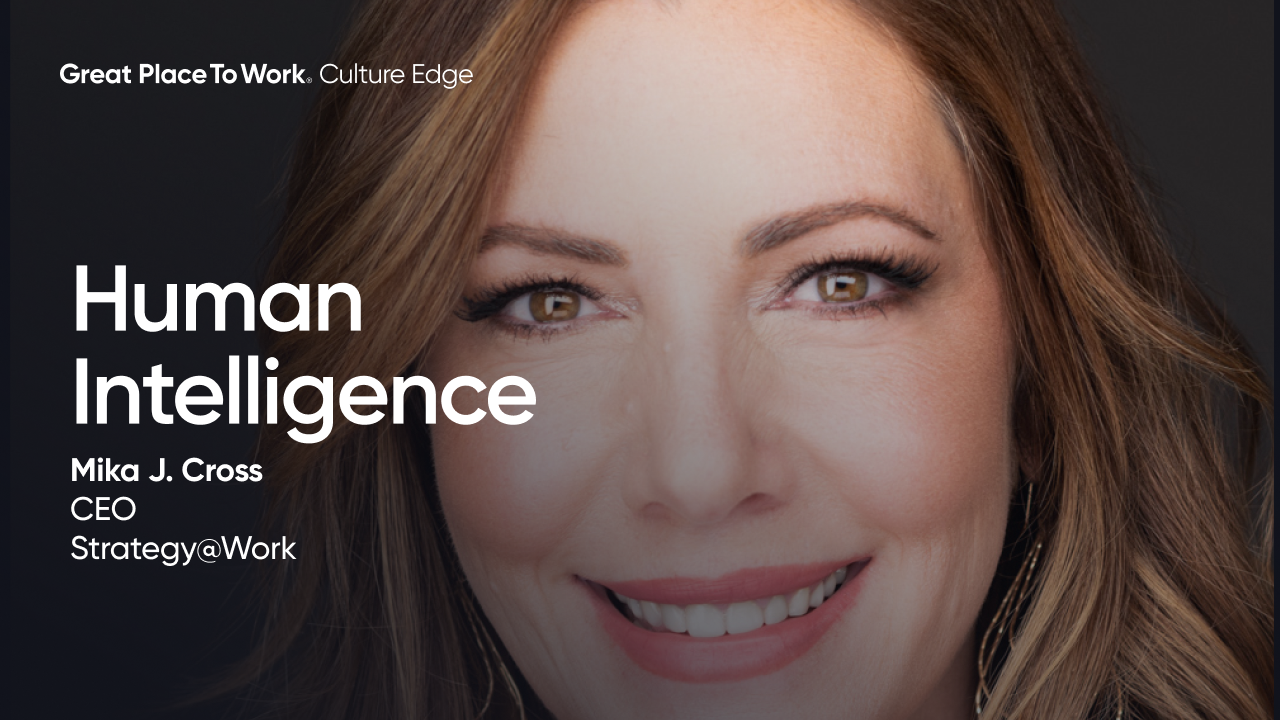
Employers are racing towards AI adoption, but the thing that will really make the difference is “human intelligence,” according to Mika Cross, CEO of Strategy@Work, a veteran-owned consultancy focused on the future of work.
“From the halls of Congress to the ranks of our military and the industry boardrooms I’ve worked with, the leaders who consistently win share these traits: they know how to turn empathy, authenticity, care, compassion, and collaboration into a true strategic advantage,” Cross says.
“As a veteran, I learned early on that trust is a force multiplier. In business, it becomes a profit multiplier.”
The data backs that up, with companies like the Fortune 100 Best Companies to Work For® outperforming the market by more than three times.
“In today’s workplace, the differentiator won’t be who has the best tech tools, but who has the leaders skilled in human intelligence to earn trust, unlock discretionary effort, and help people do the best work of their lives,” Cross says.
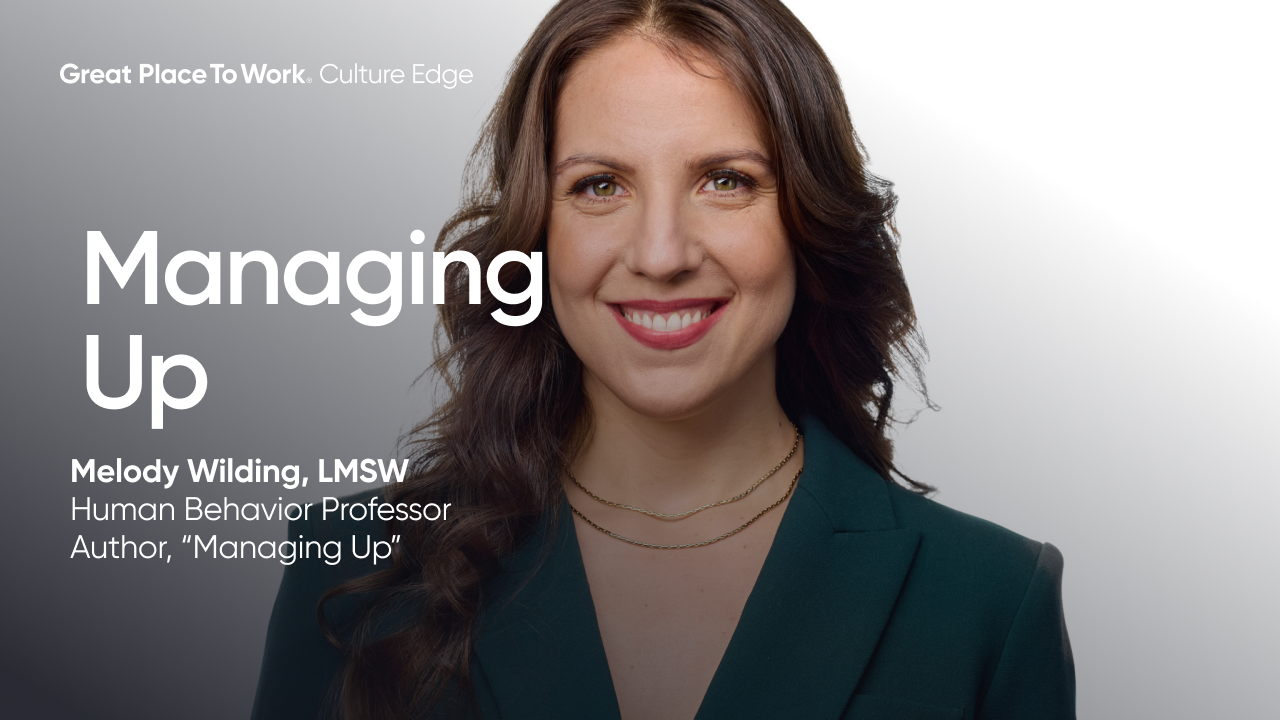
“Managing up is making a comeback in 2026,” says Melody Wilding, LMSW, author of "Managing Up” and a professor of human behavior.
“Success at the leadership level has always depended on influencing those above and around you,” she adds. “But today when every executive is flooded with more emails, information, and requests than ever before, the bar for earning trust and attention has never been higher. Your ability to persuade peers, the C-suite, board, etc., determines whether your ideas get buy-in, your team gets resources, and your career keeps moving forward.”
This is especially true amid increased layoffs and added pressure on middle managers. As companies flatten their org charts, managing up becomes even more valuable.
“Managing up is how you connect your daily tasks to org-wide impact and stay associated with mission-critical work,” Wilding says. And with AI everywhere, there are fewer opportunities to stand out in the workplace.
“A nice-looking deck and well-crafted emails don't impress people as much,” Wilding says. “How you handle yourself in real-time situations — pushing back in meetings, fielding tough questions from a customer — those unscripted interactions carry disproportionate weight.”
Turn culture insights into business wins
Let the Trust Index™ Survey reveal your workplace’s hidden strengths and areas for growth. Start transforming today.